Ways to Heat a House: Furnaces, Heat Pumps and Other Options Compared
A plain comparison of furnaces, heat pumps, boilers, electric and wood heat: how each works, what drives its running costs and which homes it suits.
When a heating system gets old or a new one has to be chosen for a renovation, there are more options than most people expect. Gas furnaces, heat pumps, boilers, electric baseboards, wood and pellet stoves all heat a home, but they do it in very different ways and with very different running costs.
There is no single best system for every house. The right choice depends on your climate, the fuels available where you live, the existing ductwork or pipes, how well the house is insulated and how long you plan to stay. This guide explains how the main options work and which questions to ask before you get quotes.
Forced-air furnaces
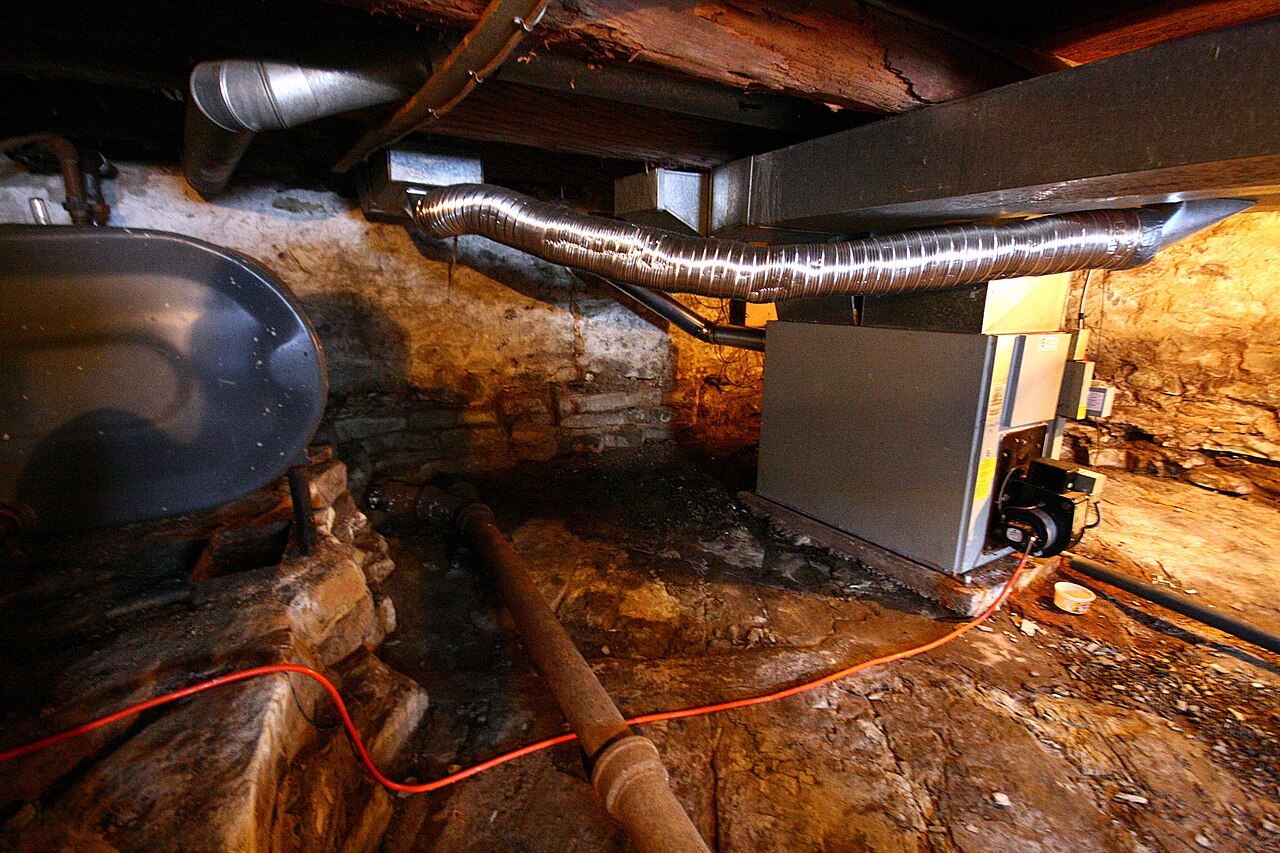
A furnace burns natural gas, propane or oil, or uses electric resistance, to heat air that a blower pushes through ducts to each room. Furnaces are the most common heating system in many parts of North America, largely because so many homes already have ducts.
- Strengths: fast, powerful heat; works well in very cold climates; the same ducts can serve central air conditioning.
- Weaknesses: depends on fuel prices; ducts can leak heat if they run through unheated spaces; combustion appliances need proper venting and a carbon monoxide alarm.
Efficiency is shown as AFUE. A 95% AFUE furnace turns about 95% of its fuel into heat for the home, while older units can be far lower.
Heat pumps
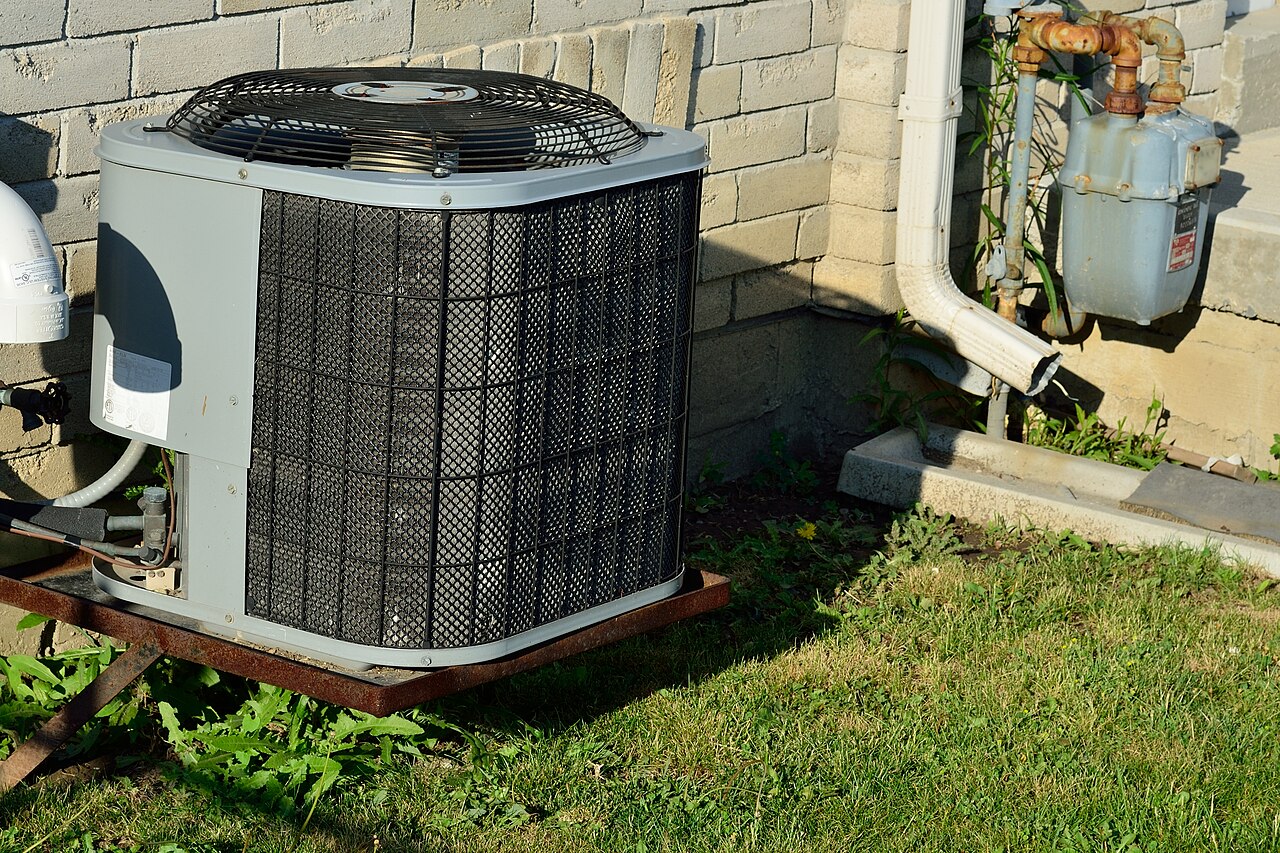
A heat pump does not create heat by burning fuel. It moves heat from the outside air (or from the ground) into the house, in the same way a refrigerator moves heat out of its interior. In summer, it runs in reverse and works as an air conditioner.
Air-source heat pumps
The most common type uses an outdoor unit connected to either the existing ducts or to ductless indoor units mounted on walls (often called mini-splits). Modern cold-climate models are designed to keep working at temperatures well below freezing, although their capacity drops as it gets colder, and some homes keep a backup heat source for the coldest days.
Ground-source (geothermal) heat pumps
These systems use pipes buried in the ground, where the temperature stays fairly steady all year. They are very efficient to run but cost considerably more to install because of the drilling or digging involved.
- Strengths: high efficiency; heating and cooling in one system; no combustion in the home.
- Weaknesses: higher upfront cost than a basic furnace; performance depends on correct sizing and installation; running costs depend on local electricity prices.
Boilers and radiant heat
A boiler heats water that circulates through radiators, baseboard units or tubing in the floor. Radiant systems give even, quiet heat without blowing air, which many people find comfortable. They do not provide air conditioning, so homes with boilers need a separate cooling solution.
Electric and wood heat
Electric baseboard and wall heaters
Electric baseboard heaters and wall heaters are cheap to buy and install and need no ductwork or venting. However, they turn electricity directly into heat, so running costs can be high where electricity is expensive. They are often used for single rooms, additions or mild climates.
Wood and pellet stoves
Stoves can heat a living area well and provide warmth during power outages (wood stoves in particular). They require fuel storage, regular cleaning, chimney maintenance and attention to local air-quality rules. Most homes use them as a supplement rather than the only heat source.
Comparing the options
| System | Typical upfront cost | Running cost depends on | Best suited for |
|---|---|---|---|
| Gas furnace | Moderate | Gas prices, duct condition | Cold climates, homes with ducts and gas service |
| Air-source heat pump | Moderate to high | Electricity prices, climate | Most climates, homes wanting heating and cooling |
| Geothermal heat pump | High | Electricity prices | Long-term owners with suitable land |
| Boiler / radiant | Moderate to high | Fuel prices | Homes with existing radiators or new floors |
| Electric baseboard | Low | Electricity prices | Single rooms, mild climates |
Before you get quotes
Fix the house first
Insulation and air sealing often make a bigger difference than the heating system itself. A drafty house with an expensive new system will still be uncomfortable and costly to run. An energy audit, offered by many utilities, can show where heat is escaping. Sealing gaps, adding attic insulation and fixing leaky ducts can also allow a smaller, cheaper system to do the job.
Questions to ask contractors
- Will you perform a load calculation (often called a Manual J) to size the system for my house?
- What efficiency rating does the quoted equipment have (AFUE for furnaces, HSPF2 and SEER2 for heat pumps)?
- Does the quote include ductwork repairs, electrical upgrades, permits and removal of the old system?
- How does the system perform in our coldest typical weather, and is backup heat needed?
- What do the equipment and labor warranties cover?
Ask for written quotes from more than one licensed contractor, and compare them line by line. Utilities and some states offer rebates for efficient equipment. The federal tax credits that used to cover heat pumps, high-efficiency furnaces and boilers, and geothermal systems do not apply to equipment installed after December 31, 2025. Rebate rules change often, so confirm current programs directly with your utility or the program administrator.
The bottom line
The best way to heat a house depends on climate, available fuels, the existing system and your budget for both installation and monthly bills. Start by improving insulation and sealing air leaks, then compare properly sized options with written quotes. A system that fits the house well will keep it comfortable for many years.