Signs Your HVAC System Needs Repair or Replacement
Common warning signs from furnaces, air conditioners and heat pumps, and how to weigh a repair against replacing an aging heating and cooling system.
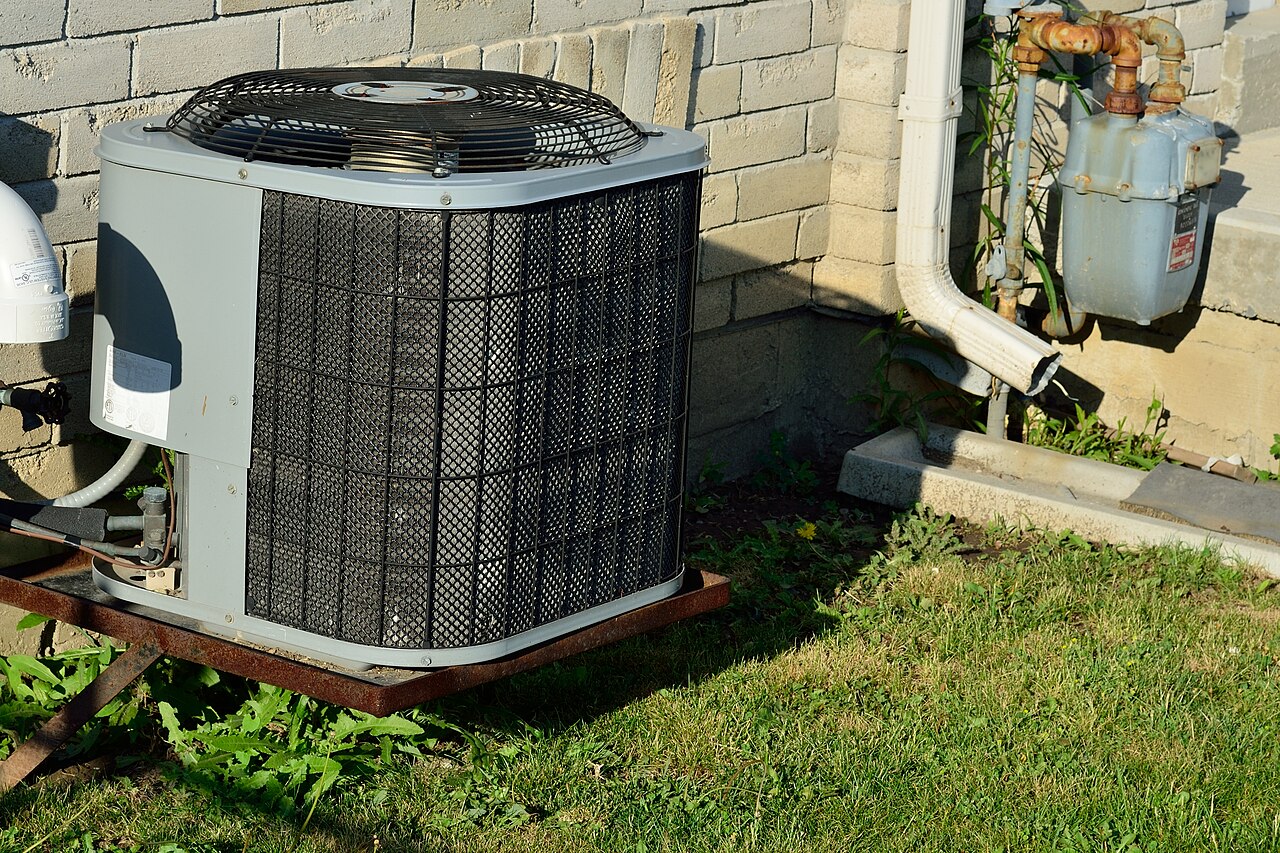
Heating and cooling equipment often fails on the first cold night of the year or during a heat wave. Often, though, a system gives warning signs weeks or months earlier. Rising energy bills, uneven temperatures, strange noises and frequent service calls all say something about the condition of the equipment.
Knowing what those signs mean helps you decide calmly instead of in an emergency. This guide covers the common symptoms, the simple checks you can do yourself, the safety issues that need a professional right away and the factors that tip the decision toward a repair or a full replacement.
Simple checks before you call for service
Some problems that look like a failing system have simple causes. Before booking a visit, it is worth checking a few basics:
- The air filter. A clogged filter restricts airflow, which can reduce heating and cooling and make the system work harder. ENERGY STAR suggests checking it every month and changing it at least every three months, or sooner if it looks dirty.
- The thermostat. Make sure it is set to the right mode (heat or cool), the schedule is correct and the batteries, if it has any, are fresh.
- Breakers and switches. A tripped breaker or a service switch turned off near the furnace or outdoor unit can stop the system completely.
- Vents and the outdoor unit. Furniture over supply vents or leaves and debris packed around an outdoor unit can block airflow.
If the system still does not work properly after these checks, it is time to call a licensed technician.
Warning signs that point to a repair
Many symptoms come from a single worn or failed part and can be fixed without replacing the whole system.
- Weak airflow or rooms that never reach the set temperature. Possible causes include a failing blower motor, leaky or blocked ducts, or a refrigerant problem.
- Short cycling. A system that turns on and off every few minutes may have a thermostat, sensor or sizing problem.
- New noises. Squealing, grinding, banging or rattling often points to belts, bearings, motors or loose parts. Catching these early can prevent damage to other components.
- Ice on the outdoor unit in summer or water pooling near the indoor unit. These can signal airflow, refrigerant or drainage issues.
Safety signs that need attention right away
Some signs should not wait. If you smell gas, leave the house and call your gas utility or 911 from outside. If a carbon monoxide alarm sounds, get everyone outdoors and call for help. A burning smell that does not fade after the first run of the season, scorch marks, or a breaker that trips again and again also need a professional.
The Consumer Product Safety Commission recommends carbon monoxide alarms on every level of the home and outside sleeping areas, tested every month. It also urges a yearly professional inspection of fuel-burning heating equipment, including vents and chimneys.
Signs that point toward replacement
Age of the equipment
Age alone does not mean a system must be replaced, but it changes the math. ENERGY STAR suggests considering a replacement with more efficient equipment if a heat pump or air conditioner is more than 10 years old, or if a furnace or boiler is more than 15 years old. Older equipment is usually less efficient than new models, and parts can become harder to find.
Frequent and growing repair bills
One repair on an older system can make sense. A pattern of repairs every season is different. When repair costs keep adding up on equipment near the end of its expected life, that money may be better spent on a new system.
Rising energy bills
If your bills climb while your usage habits stay the same, the equipment may be losing efficiency. Check the bills against the same months in earlier years to make a fair comparison.
Older refrigerant
Air conditioners and heat pumps made before 2010 often use a refrigerant called R-22 (HCFC-22); the nameplate on the unit shows which one yours has. According to the EPA, production of R-22 ended on January 1, 2020. You are not required to replace a working R-22 system, and it can still be serviced, but only recovered or reclaimed refrigerant is available. If such a system has a major leak, the cost of the repair is worth comparing with the cost of new equipment.
Repair or replace: comparing the options
| Factor | Leans toward repair | Leans toward replacement |
|---|---|---|
| Age | Well within expected life | AC or heat pump over 10 years; furnace over 15 |
| Repair history | First significant problem | Repeated breakdowns |
| Comfort | Good apart from one issue | Uneven rooms, humidity problems |
| Energy bills | Stable | Rising without a clear reason |
| Refrigerant | Current type | R-22 system with a major leak |
None of these factors decides the question alone. A newer system with one failed part is usually worth fixing. An old one with several warning signs at once may not be.
Questions to ask the technician
- What exactly failed, and what caused it?
- How old is the system, and what condition are the other major parts in?
- What does this repair cost, and is the part covered by any remaining warranty?
- If I replace the system, will you do a load calculation (often called a Manual J) to size the new equipment?
- Do the ducts need sealing or repair as part of the job?
- What efficiency ratings does the new equipment have, and what do the equipment and labor warranties cover?
For a replacement, get written quotes from more than one licensed contractor and compare them line by line. Also check incentives before you rely on them. The IRS states that the federal Energy Efficient Home Improvement Credit cannot be claimed for property placed in service after December 31, 2025. Some utilities and states still offer their own rebates, so ask your utility what is available now.
The bottom line
Start with the simple checks: filter, thermostat, breakers and airflow. Treat gas smells, carbon monoxide alarms and electrical warning signs as emergencies. For everything else, weigh the age of the system, its repair history, your energy bills and the type of refrigerant. A single repair on a younger system is often the sensible choice, while an older system with repeated problems is usually a candidate for replacement after comparing written quotes.