How to Check a Used Car Before You Buy It
A step-by-step checklist for looking over a used car: paperwork, history checks, a walk-around, the test drive and an independent inspection.
A used car can be a smart way to save money, but it comes with a question a new car does not: what happened to this vehicle before you found it? Two cars of the same model, year and mileage can be in very different condition depending on how they were driven, maintained and repaired. A careful check before you pay is the best protection you have.
You do not need to be a mechanic for most of it. Paperwork, history checks, a daylight walk-around and a proper test drive catch many problems on their own. This guide walks through each step in order.
Start with the paperwork
If you are buying from a dealer, look for the Buyers Guide, a window sticker required by the Federal Trade Commission's Used Car Rule. It tells you whether the car comes with a dealer warranty or is sold "as is," which means you pay for any repairs after the sale. The information on the Buyers Guide becomes part of your sales contract and overrides anything in the contract that says otherwise, so keep a copy. If the sale is conducted in Spanish, you are entitled to a Spanish-language version. Maine and Wisconsin use their own version of the form under state law.
Private sellers usually do not have to post a Buyers Guide, and private sales generally come with fewer protections. Either way, ask to see the title. Check that the name on it matches the seller, that the vehicle identification number (VIN) matches the car, and that the title does not carry a brand such as salvage, rebuilt or flood.
Federal law does not give you a three-day right to cancel a car purchase. Any right to return the car comes from your state's law or from a return policy written into the deal. California, for example, gave buyers of many used cars priced at $50,000 or less a three-day cancellation right starting October 1, 2026, with mileage limits and a possible restocking fee.
Run the vehicle history checks
Every car has a 17-character VIN, usually visible through the windshield on the driver's side and on the door jamb. Make sure they match the paperwork, then use the VIN for these checks:
- Open safety recalls. The National Highway Traffic Safety Administration (NHTSA) offers a free VIN lookup at nhtsa.gov/recalls. Safety recall repairs are generally done at no charge by the manufacturer's dealers, but you want to know about an open recall before you buy.
- Title history. The National Motor Vehicle Title Information System (NMVTIS), run under the U.S. Department of Justice, shows title brands, the last reported odometer reading and whether the car was reported as a total loss. Reports are sold through approved providers listed on the official site, and prices vary by provider.
- Theft and salvage records. The National Insurance Crime Bureau's free VINCheck tool shows whether participating insurers have reported the car as stolen and not recovered, or as a salvage vehicle.
A history report may list accidents or flood damage, yet it typically will not show mechanical problems, and some damage is never reported at all.
Do a walk-around in daylight
Look at the car dry and in daylight, since rain and darkness hide paint and body flaws.
Outside the car
- Panels that do not line up, uneven gaps or paint that does not quite match, which can point to body repair.
- Rust on the lower doors, wheel wells and under the car.
- Tires worn more on one edge than the other, which can mean alignment or suspension problems. Brand-new tires on a car with very low mileage are also worth a question.
Under the hood
With the engine cold, look for leaks, cracked hoses, corrosion on the battery and fluids that look dirty or low. Ask the seller to start the car while you watch. Exhaust smoke or loud knocking on startup needs a mechanic's look.
Inside the car
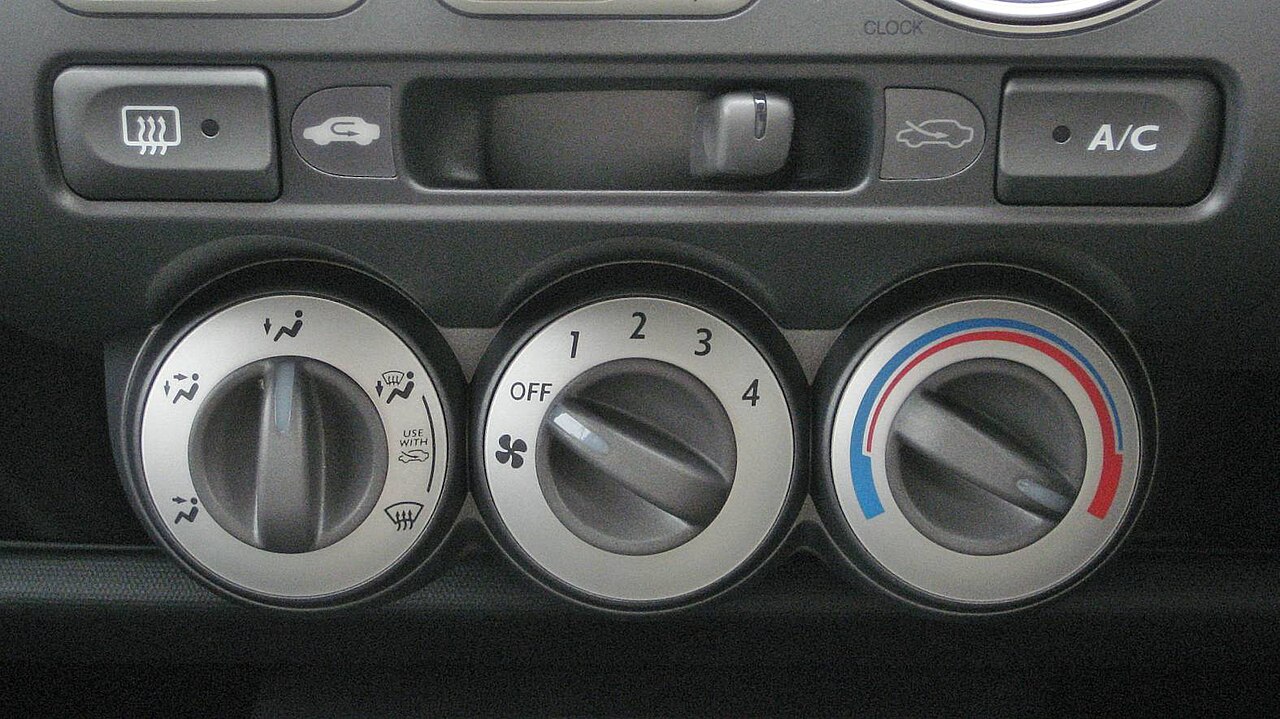
Make sure the windows, locks, seat adjusters, lights, heater and air conditioning all work. Wear on the seat, steering wheel and pedals should roughly match the mileage shown. NHTSA suggests comparing the odometer with the mileage on the title and with service records, because odometer tampering still happens.
Signs of flood damage
NHTSA and the FTC both warn about cars damaged by flooding. Warning signs include a musty smell or a strong cleaning-product smell, water lines or silt in the trunk or under the dashboard, mud under the seats, damp or mismatched carpet and rust in unusual places inside the cabin.
Take a real test drive
Plan on a drive long enough to include stop-and-go driving, a few turns and a stretch at highway speed if you can. Drive with the radio off so you can hear the car.
- Does the engine start easily, idle smoothly and accelerate without hesitation?
- Does the transmission shift without jerks, slipping or delays?
- Does the car pull to one side when you drive straight or when you brake?
- Do you hear grinding, squealing or clunking over bumps?
- Do any warning lights stay on after the engine starts?
Pay for an independent inspection
The FTC recommends having any used car inspected by a mechanic you choose before you buy, even if the car has been "certified" or inspected by the dealer. Ask the mechanic for a written report with cost estimates for any needed repairs. If you still want the car, those estimates give you a reasonable basis for negotiating the price.
Inspection fees vary. If a seller will not let you take the car to an independent mechanic, the FTC suggests treating that as a reason to look elsewhere.
Questions to ask the seller
- Do you have the title in hand, and is it in your name?
- Has the car been in any accidents, floods or insurance claims?
- Are there service records, and where was the car maintained?
- Why are you selling it?
- For a dealer: is the car sold "as is" or with a warranty, and what exactly does any warranty cover?
- Can I take the car to my own mechanic before I decide?
Get any promise about repairs, warranties or returns in writing before you sign.
The bottom line
Checking a used car is a sequence: paperwork first, then history checks, then your own walk-around and test drive, and finally an independent mechanic. Each step catches problems the others can miss. Taking the time to go through all of them is the most reliable way to know what you are buying and what it may cost to keep on the road.