Roof Replacement: What Affects the Cost and How to Compare Quotes
What drives the price of a new roof, from size and pitch to tear-off and permits, and how to compare written quotes from roofing contractors.
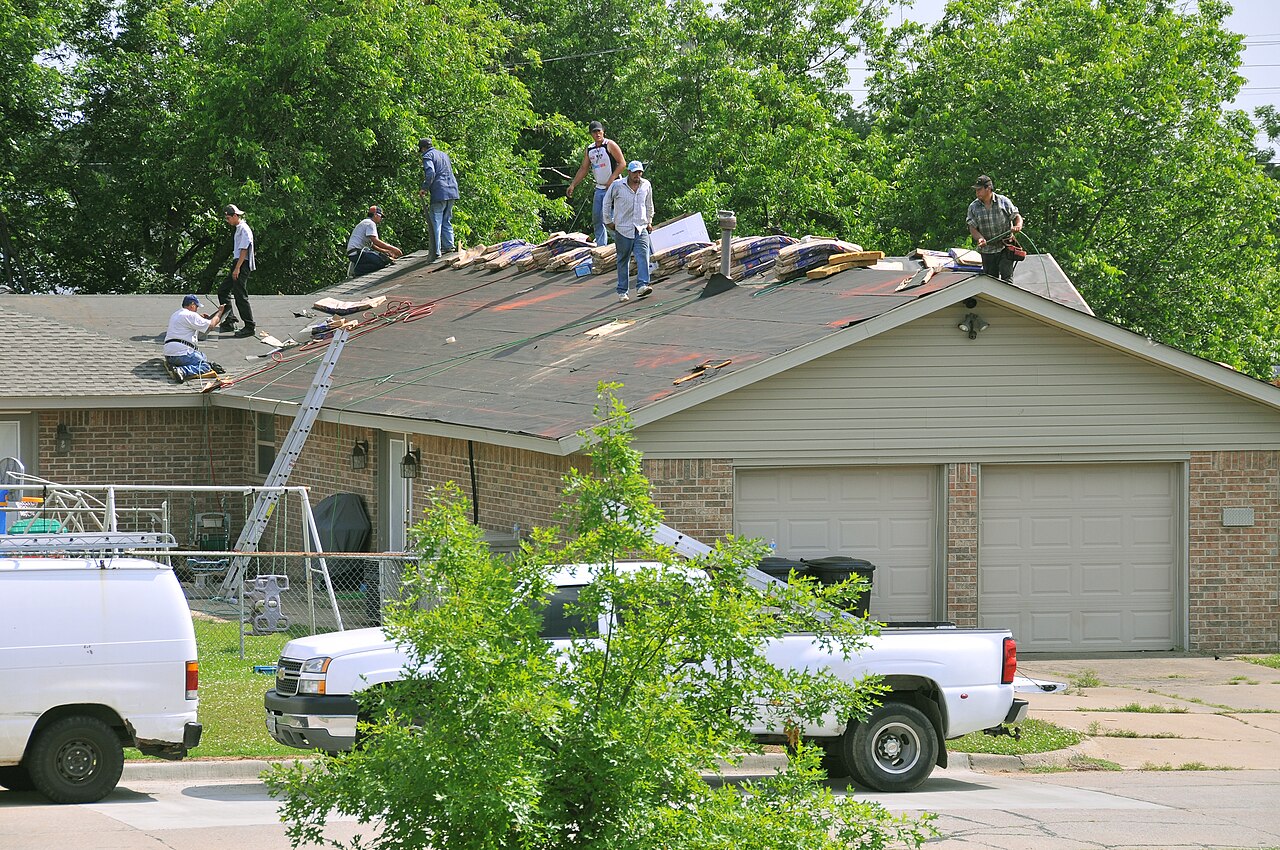
A new roof is one of the largest repair bills most homeowners ever face, and it rarely comes at a convenient time. Two quotes for the same house can be far apart, and it is not always clear why. One contractor may include items the other left out, use different materials or plan a different amount of work on the roof deck underneath.
Understanding what goes into the price makes those quotes much easier to read. This guide walks through the main cost factors, the choices you will be asked to make and the questions that help you compare contractors on equal terms. Exact prices vary widely by region, season and material, so the focus here is on how the cost is built rather than on a single number.
Size, shape and pitch of the roof
Roofers usually price work by the "square," which is 100 square feet of roof surface. The roof area is larger than the floor area of the house because of the slope and the overhangs, so the number of squares on a quote will often be bigger than you expect.
Shape matters as much as size. A simple roof with two flat planes is quick to cover. A roof with many valleys, dormers, skylights and chimneys needs more cutting, more flashing and more labor. Steep roofs also take longer, because crews need extra safety equipment and cannot move around as freely. Two houses with the same square footage can therefore have very different roofing bills.
Tear-off or a second layer
One of the biggest choices is whether to remove the old roofing completely or install new shingles over the existing layer. An overlay skips the labor and disposal cost of the tear-off, so it is often cheaper at first.
There are limits, though. The model International Residential Code, which many local building codes are based on, does not allow a new layer over a roof that already has two or more layers, or over roofing that is water-soaked or badly deteriorated. A tear-off also lets the crew see and repair the deck underneath, which an overlay hides. Your local building department decides which version of the code applies where you live.
What is under the shingles
The roof deck
The deck is the layer of plywood or boards that the roofing is nailed to. If parts of it are rotted or soft, they must be replaced before new roofing goes on. Because no one can see the deck until the old roof is removed, many contracts list a price per sheet for any replacement. Check that this price is written down so there are no surprises later.
Underlayment, flashing and ventilation
Underlayment is the protective layer between the deck and the shingles. In colder areas, local code may require an ice barrier along the eaves to protect against water backing up behind ice dams. Flashing seals the joints around chimneys, walls and vents, and new flashing is often recommended rather than reusing old metal. Roof vents and ridge vents help control heat and moisture in the attic, and poor ventilation can shorten the life of the new roof.
Choice of roofing material
The material you pick affects both the price and how long the roof lasts.
| Material | Upfront cost | What to know |
|---|---|---|
| Asphalt shingles | Usually the lowest | Most common choice; quality grades vary |
| Metal panels or shingles | Higher | Long-lasting; installation skill matters |
| Wood shingles or shakes | Higher | Need more maintenance; check fire rules |
| Clay, concrete or slate tile | Highest | Very heavy; the structure must support it |
Color can matter too. Light-colored or reflective "cool roof" products stay cooler in the sun. According to ENERGY STAR, they tend to save the most energy in hot, sunny climates on buildings with little roof insulation.
Permits, debris and site conditions
Many cities and counties require a building permit for a full roof replacement, though some exempt like-for-like reroofing, so check with your local building department. When a permit is needed, the fee is often built into the quote. Disposal of old roofing is another line item, since tear-off debris is heavy and dumpster fees vary by location. Houses with steep lots, tight access, landscaping close to the walls or nearby power lines can take longer to work on. Ask whether cleanup, including a magnetic sweep for loose nails, is part of the price.
How to compare quotes
Ask at least three contractors, licensed where your state requires it, for written estimates based on an inspection of your roof. The Federal Trade Commission recommends getting a written estimate that describes the work, the materials, the completion date and the price, and not choosing a contractor on price alone. Line up the quotes and check that each one covers the same items.
Questions to ask before you sign:
- Is this a full tear-off or an overlay, and how many layers are on the roof now?
- What is the price per sheet if deck boards need to be replaced?
- Which underlayment, ice barrier, flashing and vents are included?
- Who pulls the permit, and is the fee included?
- What do the manufacturer's warranty and your own workmanship warranty each cover, and for how long?
- Do you carry liability and workers' compensation insurance, and can I see proof?
- What is the payment schedule, and when is the final payment due?
Avoid paying the full amount up front or in cash. After storms, be careful with contractors who knock on doors, pressure you to sign right away or offer to deal with your insurance company for you. If the damage came from a storm, contact your insurance company first and keep copies of photos, estimates and the signed contract.
The bottom line
The cost of a new roof depends on its size, shape and pitch, whether the old roofing comes off, the condition of the deck, the material you choose and local permit and disposal fees. Detailed written quotes make those factors visible. Compare them line by line, ask the same questions of every contractor and make sure the warranty and payment terms are clear before work begins.