How to Become an EMT: Training, Exams and Certification
The steps to becoming an emergency medical technician: approved training, the national exam, state licensure, recertification and what the job involves.
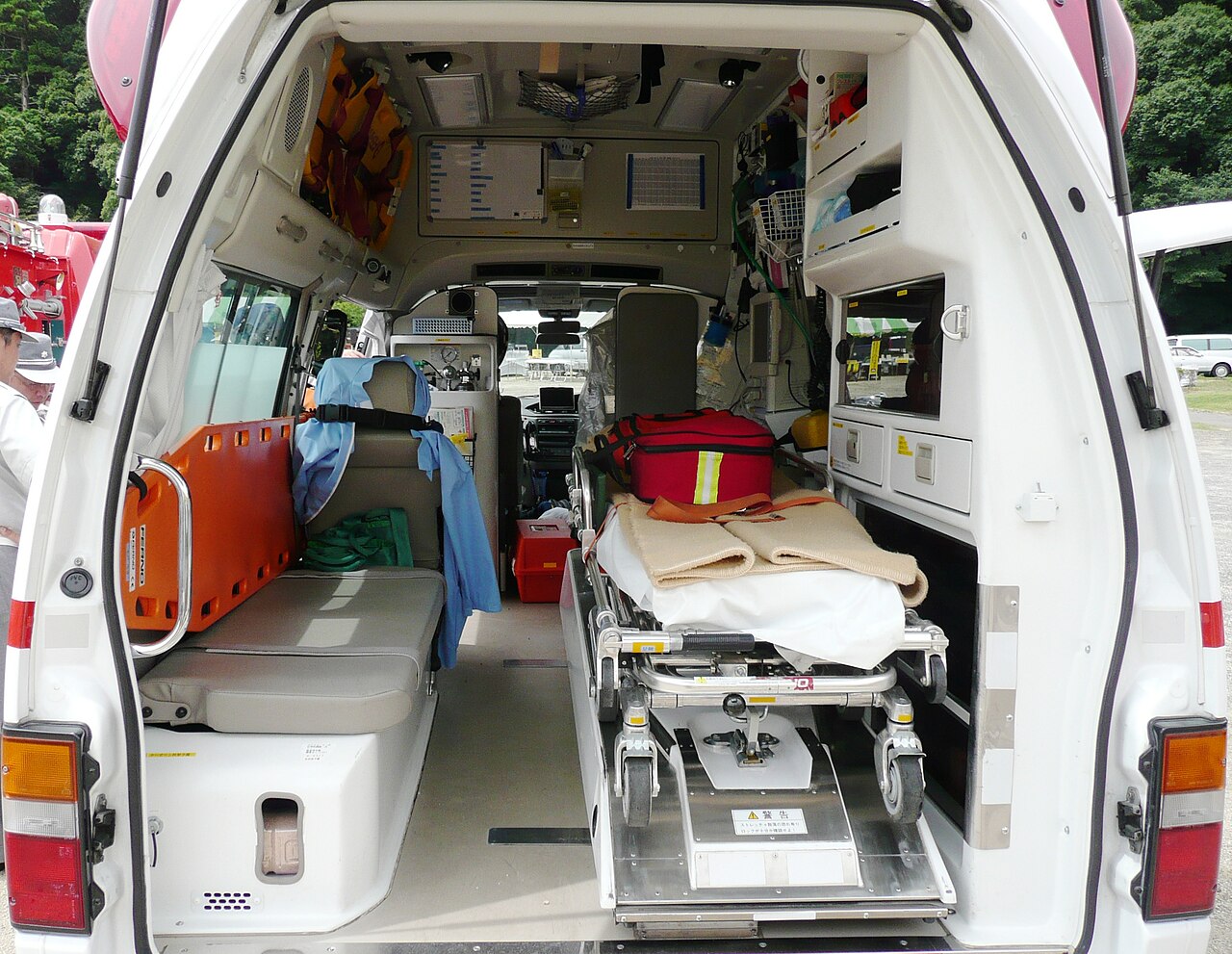
Emergency medical technicians (EMTs) are often the first trained medical professionals to reach someone after a car crash, a fall or a sudden illness. The work can be demanding, but the path into it is shorter than for many health care jobs, which makes it a common choice for career changers, volunteers, students heading toward nursing or medicine, and people who want to work in fire and rescue services.
This guide walks through the main steps: choosing an approved course, passing the national certification exam, getting a state license and keeping your credentials current. The general framework is national, but every state sets its own licensing rules, so the details below should always be checked against your state EMS office.
What EMTs do
According to the U.S. Bureau of Labor Statistics (BLS), EMTs and paramedics respond to calls for medical help, assess a patient's condition, provide treatment such as first aid or life support care, and prepare and transport patients to a hospital or other facility. They also document the care they provide, restock supplies and clean equipment. Many work nights, weekends and holidays, and the job can be physically strenuous and stressful.
The BLS reports a median annual wage of $44,470 for EMTs and $60,600 for paramedics in May 2025. Pay varies by state, employer and whether the position is with a private ambulance service, a hospital or a fire department.
EMS certification levels
The National EMS Scope of Practice Model, published by the National Highway Traffic Safety Administration, describes four levels of EMS clinicians:
| Level | General role |
|---|---|
| Emergency Medical Responder (EMR) | Basic, immediate lifesaving care while awaiting additional help |
| Emergency Medical Technician (EMT) | Assessment and basic emergency care, including during transport |
| Advanced EMT (AEMT) | EMT skills plus some advanced procedures, such as IV fluids and certain medications |
| Paramedic | The most extensive prehospital care, including a wider range of medications and heart rhythm monitoring |
The model sets a national baseline, but each state decides what its licensed EMS clinicians may do. Some people start at a lower level and advance as they gain experience. Paramedic programs must be state approved and accredited by CAAHEP for graduates to take the national paramedic exam.
Step 1: Complete a state-approved EMT course
The first requirement is an EMT course approved by your state that meets or exceeds the National EMS Education Standards. Courses are offered by community colleges, technical schools, hospitals, fire departments and private training centers. The National Registry of Emergency Medical Technicians (NREMT) suggests contacting your state EMS office to find approved programs.
Course length and schedules vary by state and school. Training typically combines classroom instruction, hands-on skills practice and some clinical or field experience, such as time in an emergency department or on an ambulance. Topics include patient assessment, airway management, cardiac emergencies, trauma, childbirth and lifting and moving patients.
Before you enroll, ask about:
- Total cost, including tuition, textbooks, uniforms, background checks and exam fees.
- Schedule options, such as evening or weekend classes.
- Where clinical or ride-along hours take place.
- The program's recent first-attempt pass rate on the national exam.
Step 2: Pass the national certification exam
Most states use National Registry certification as a basis for licensure, but a few have their own process. According to NREMT, candidates for EMT certification must:
- Complete a state-approved EMT course within the past two years, with completion verified by the program director.
- Pass the NREMT EMT cognitive exam, a computer adaptive test with 70 to 120 questions and a two-hour time limit.
- Pass a state-approved psychomotor (hands-on skills) exam.
The exam fee listed by NREMT is $104 per attempt. Passed portions of the exam remain valid for 24 months. Some states build the skills exam into the EMT course, so ask your instructor how it works in your area.
Step 3: Get your state license
Passing the national exam is not the same as being licensed. The BLS notes that all states require EMTs and paramedics to be licensed in the state where they work, and the requirements vary. States may require a background check, fingerprints, a separate application and fees.
Age rules are a good example. NREMT says there is no minimum age for national certification, but states may set one. Some states require EMTs to be 18, while others allow younger candidates with restrictions. Check with your state EMS office before you enroll if you are under 18.
Also ask whether your program or state requires a current CPR or basic life support (BLS) credential for health care providers.
Step 4: Keep your certification current
National certification must be renewed in two-year cycles. Under NREMT's National Continued Competency Program, EMTs complete 40 hours of continuing education per cycle: 20 hours of national content, 10 of state or local content and 10 of individual content. States set their own license renewal rules as well, which may differ.
Questions to ask yourself before you start
- Am I comfortable with physical work, including lifting patients and equipment?
- Can I handle stressful scenes, blood and serious injuries?
- Do I want to work full time, part time or as a volunteer?
- Is EMT the goal, or a step toward paramedic, nursing or other health care training?
- What are my state's age, background check and licensing requirements?
The bottom line
Becoming an EMT means completing a state-approved course, passing the NREMT cognitive and skills exams where your state uses them, and earning a license from the state where you will work. It is one of the more direct paths into emergency health care, but rules differ from state to state, so start by contacting your state EMS office and asking approved programs about cost, schedule and pass rates.