How to Become a Commercial Pilot: Training Steps and Costs to Plan For
The FAA certificates, flight hours, medical exams and tests on the path to a commercial pilot certificate, and what drives the cost of training.
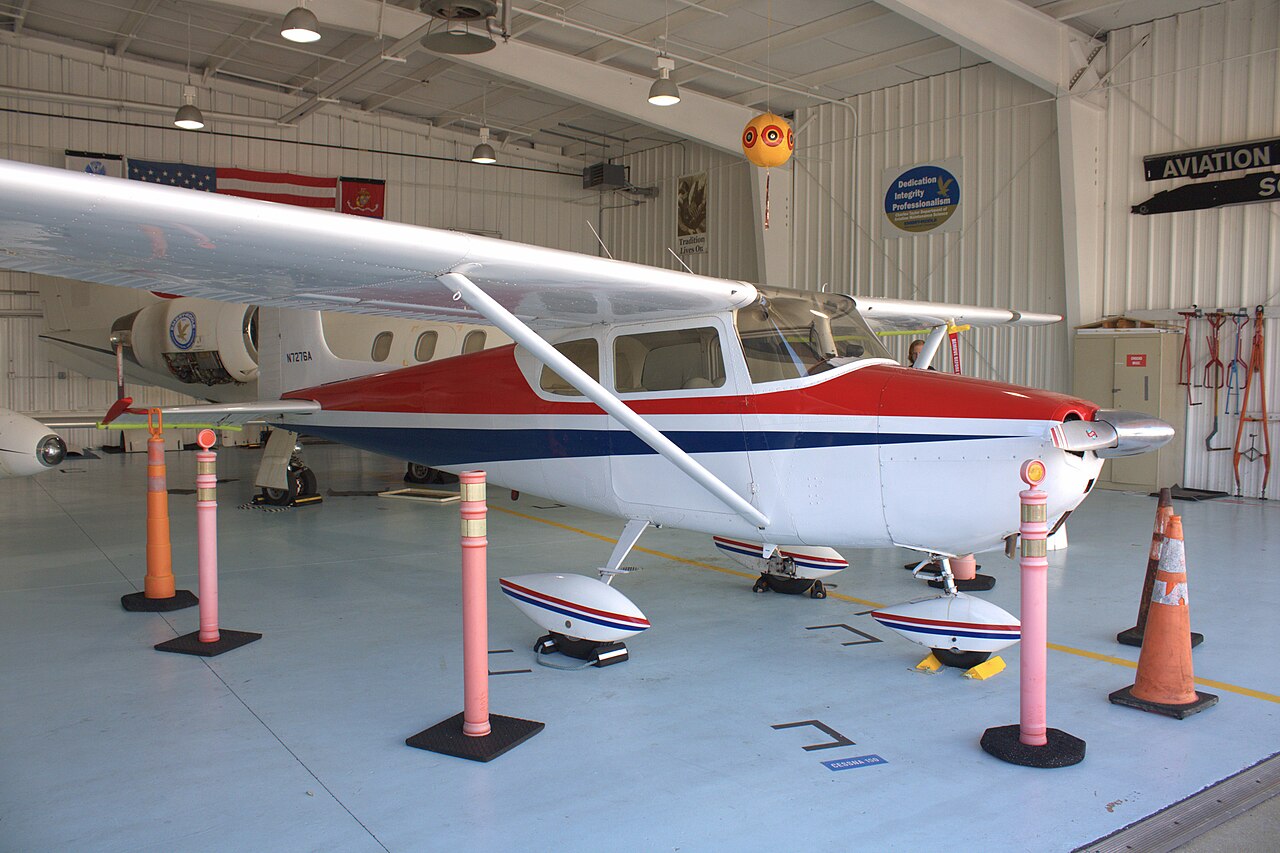
Flying for a living is a long project, not a single course. In the United States, the Federal Aviation Administration (FAA) issues pilot certificates in steps, and each step has its own age limit, knowledge test, practical test and minimum number of logged flight hours. Most people who reach the commercial level have passed through three or four of these stages, often over a year or more.
This guide walks through that sequence for airplanes: which certificates come first, how many hours the federal rules require, how Part 61 and Part 141 schools differ, and what makes training expensive.
The certificate ladder
FAA rules in 14 CFR Part 61 set out the main certificates a future professional pilot works through:
- Student pilot certificate. You must be at least 16 to get one for airplanes. It lets you fly solo once your instructor signs you off.
- Private pilot certificate. The minimum age is 17. You may fly passengers, but generally not for pay.
- Instrument rating. This added rating allows flight in clouds and low visibility by reference to instruments.
- Commercial pilot certificate. The minimum age is 18, and you must already hold at least a private certificate. This is the certificate that allows you to be paid to fly, within its limits.
- Airline transport pilot (ATP) certificate. Required to serve as a pilot at a U.S. airline. The general minimum age is 23.
The instrument rating matters more than it may seem. Under 14 CFR 61.133, a commercial airplane pilot without one gets a limitation on the certificate that bans carrying passengers for hire on cross-country flights longer than 50 nautical miles or at night. That is why most career programs treat the instrument rating as a standard step. For airline jobs, the Bureau of Labor Statistics notes that airline pilots typically also need a bachelor's degree and experience as a commercial or military pilot.
How many flight hours the rules require
The hour numbers in the regulations are minimums. Many students need more before an instructor considers them ready for the test.
| Certificate (airplane) | Federal minimum |
|---|---|
| Private pilot | 40 hours of flight time, including at least 20 with an instructor and 10 solo |
| Instrument rating | 50 hours of cross-country time as pilot in command and 40 hours of actual or simulated instrument time |
| Commercial pilot (Part 61) | 250 hours of flight time as a pilot |
| Airline transport pilot | 1,500 hours of total time as a pilot |
Within the 250 hours, 14 CFR 61.129 requires, among other items, 100 hours as pilot in command and 50 hours of cross-country flying.
The ATP rule has exceptions. Under 14 CFR 61.160, military pilots may qualify with 750 hours, and graduates of certain FAA-authorized aviation bachelor's degree programs may qualify with 1,000 hours. A "restricted" ATP of this kind has a minimum age of 21.
Part 61 vs. Part 141 flight schools
You will see flight schools described as "Part 61" or "Part 141." Both lead to the same FAA certificates.
Part 61 training is flexible. An instructor follows the regulations but sets the pace and order of lessons. It can suit people who train part-time around a job.
Part 141 schools are FAA-approved pilot schools that follow a structured, FAA-approved syllabus with stage checks. Because the course is approved, the minimums can be lower. For example, the approved commercial course for airplanes in Appendix D to Part 141 calls for at least 120 hours of flight training, and graduates do not have to meet the 250-hour total that applies under Part 61. Part 141 status can also matter for funding. The Department of Veterans Affairs, for instance, pays GI Bill benefits for flight training only at Part 141 pilot schools or Part 142 training centers with VA-approved programs.
A lower minimum does not always mean lower total cost. Most students still need hours beyond the minimum, and the ATP threshold of 1,500 hours stays the same however you trained.
The medical certificate
Pilots who fly for hire need an FAA medical certificate issued by an Aviation Medical Examiner (AME). Under 14 CFR 61.23, exercising commercial pilot privileges requires at least a second-class medical. Captains flying under an ATP certificate need a first-class medical.
The FAA suggests getting your medical certificate before you begin flight training, so that any disqualifying condition comes to light before you pay for lessons. You apply online through the FAA's MedXPress system and then see an AME of your choice, who charges their own fee. If you have a medical condition or take regular medication, bring records. Some cases are deferred to the FAA for review, which can take time.
What makes training expensive
There is no official price for becoming a commercial pilot, and quotes vary widely by region, aircraft and school. It is more useful to understand what you are paying for:
- Aircraft rental, usually billed per flight hour and often the largest cost. Fuel prices and aircraft type affect the rate.
- Instructor time, billed for flights and ground lessons.
- Ground school and study materials, including written test preparation.
- Knowledge test and practical test fees. Practical tests are given by FAA-designated examiners, who typically set their own fees.
- The medical exam, plus any follow-up the AME requests.
- Hours beyond the minimum. Weather delays, long gaps between lessons and repeating maneuvers all add flight time.
- Building time after the commercial certificate, since many pilots need hundreds more hours before an airline will consider them.
Questions to ask a flight school
- Is the school Part 61, Part 141, or both, and which programs are FAA-approved?
- How many aircraft and instructors are available, and how far ahead are lessons booked?
- How are aircraft rental and instructor time billed, and what is included in any package price?
- What happens to prepaid money if you stop training or the school closes?
- Are any programs approved for VA benefits or tied to an accredited college degree?
Be cautious with large upfront payments; paying in smaller blocks limits your risk.
The bottom line
Becoming a commercial pilot means moving through a set of FAA certificates, each with its own minimum age, hours, written test and checkride. Get your medical certificate early, compare flight schools carefully and budget for more than the minimums. The FAA and a certificated flight instructor can confirm the details for your situation.